



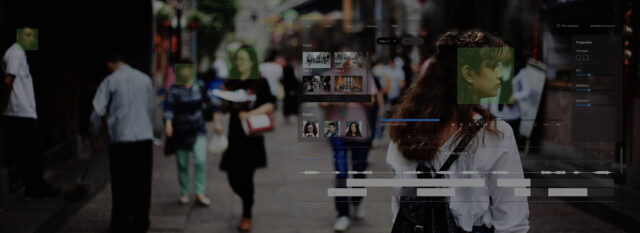

Oxagile develops custom image analysis solutions around your visual data-based workflows.
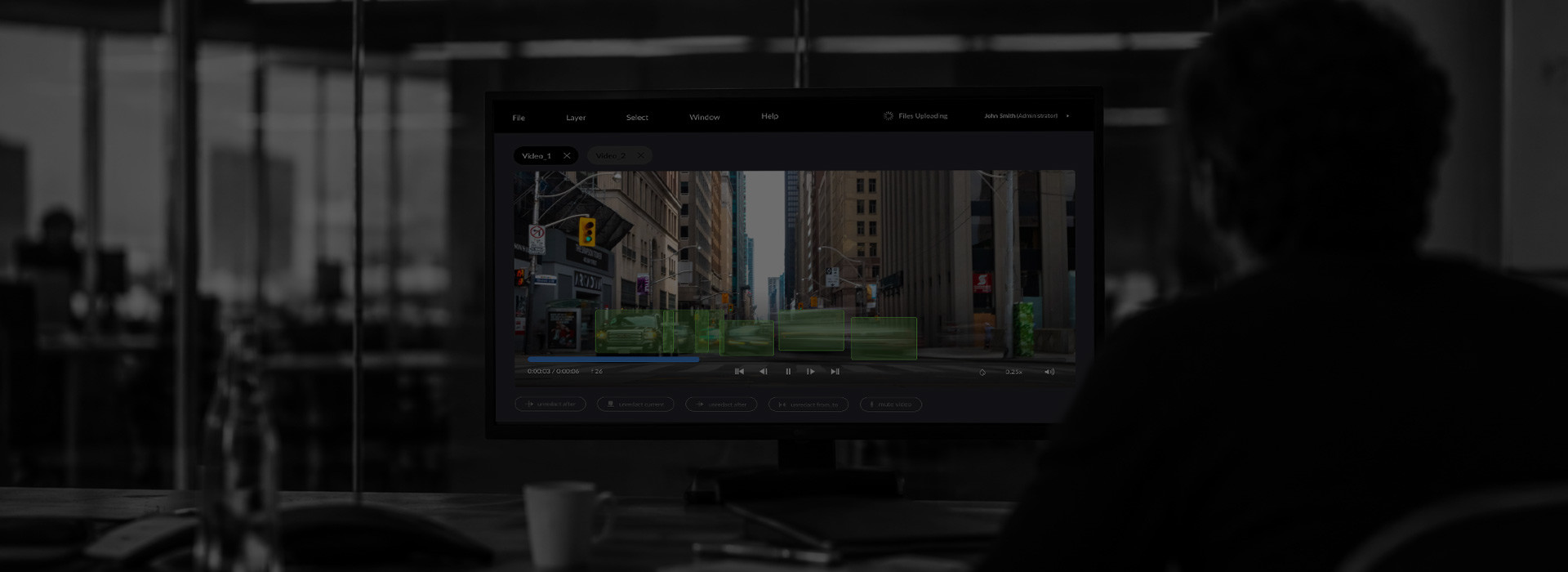








Oxagile builds custom computer vision software for real production environments: live camera feeds, factory floors, exam sessions, and public safety footage, not perfect-condition demos.
Since 2005, we have paired video engineering with machine learning to ship systems like a proctoring platform running 5,000+ daily exams across 129 countries and a law enforcement video platform with 95%+ detection accuracy. We deliver on edge, in the cloud, or hybrid.

We stress-test your assumptions before any model code is written, identifying annotation gaps, evaluating data distribution, and defining success criteria grounded in your deployment environment, not benchmark leaderboards.
End-to-end engineering from raw data to inference-ready artifacts. Architecture choices account for your accuracy targets, hardware constraints, and whether the model runs in the cloud or at the edge.
We handle the production requirements that research code ignores. That means stream reliability, frame-level latency, throughput under load, and clean connectivity to SCADA, ERP, and cloud infrastructure, built to hold up in environments where downtime has a real cost.
Delivered in weeks rather than quarters, with a working inference pipeline, basic review UI, and benchmark report against your actual data. No commitment to a full production build before the approach is proven, and no ambiguity about what the PoC is meant to answer.
Backed by ongoing research and years of hands-on development, our team brings deep knowledge to some of the most complex areas of visual content analysis and cognitive learning.
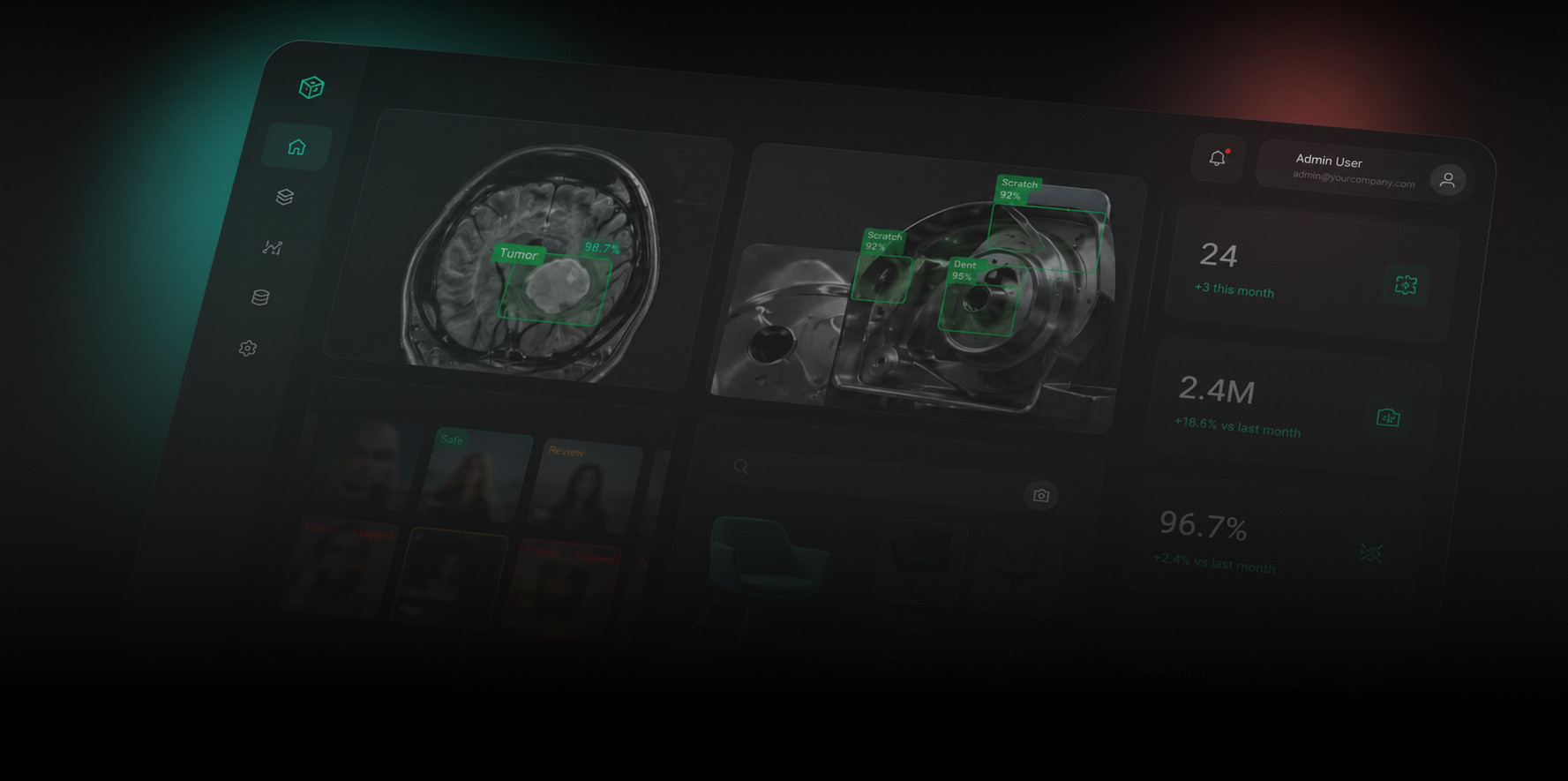 Image analysis
 Oxagile develops custom image analysis solutions around your visual data-based workflows.
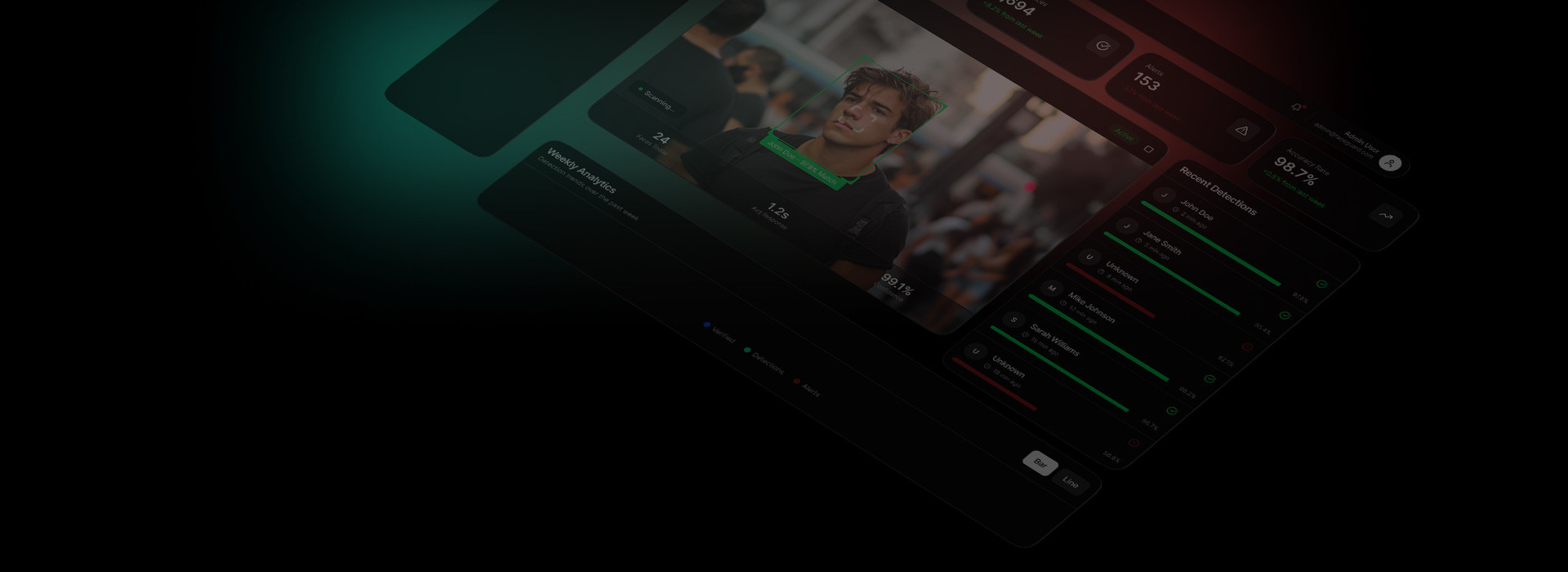 Facial recognition
 Our team applies the latest facial recognition know-hows to accelerate and automate a variety of tasks that were entirely in the domain of humans before. From suspect detection to student attention monitoring, we can tailor the recognition process to virtually any business case.
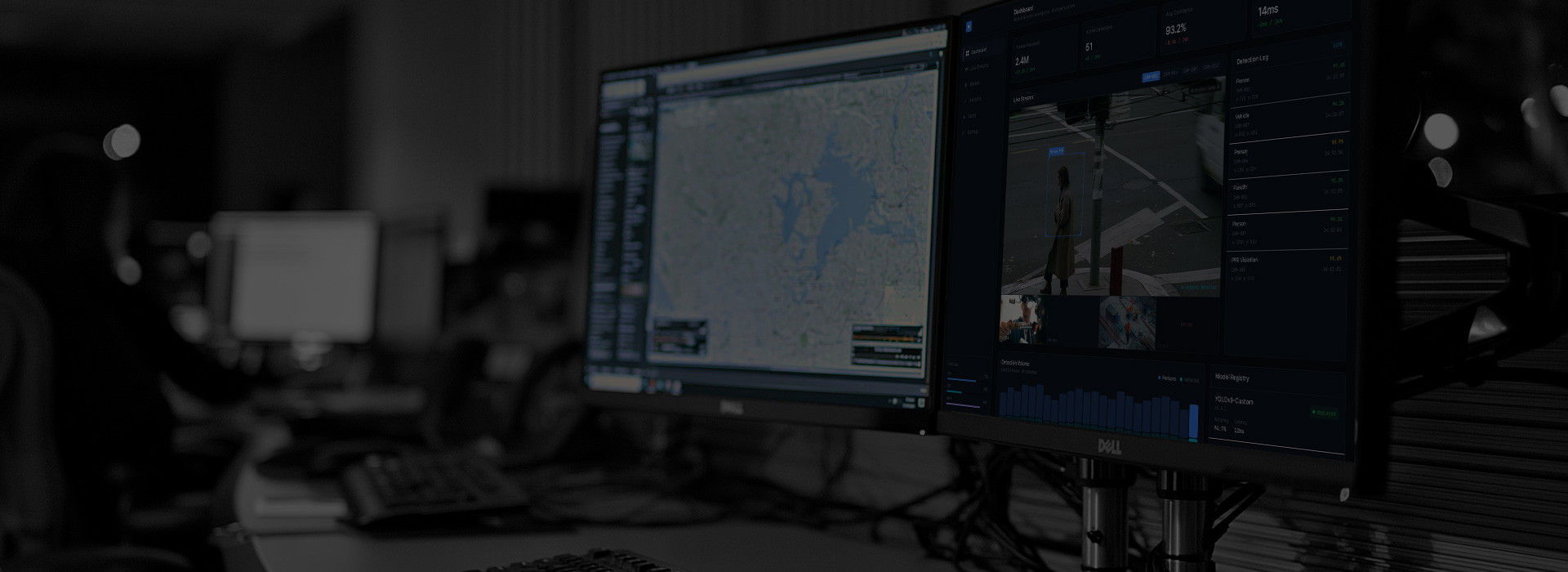 Video analytics
 At the intersection of computer vision and online video, we develop intelligent analytics solutions that make a real impact. They help classify content, monitor exams, detect anomalies, identify suspects with precision, and more.
 Text analytics
 Document recognition, smart OCR, house number and traffic sign recognition, ANPR, contact data extraction, etc.
 Biometrics
 We leverage best practices around voice biometrics, keystroke recognition, and fingerprint identification to address your security needs.
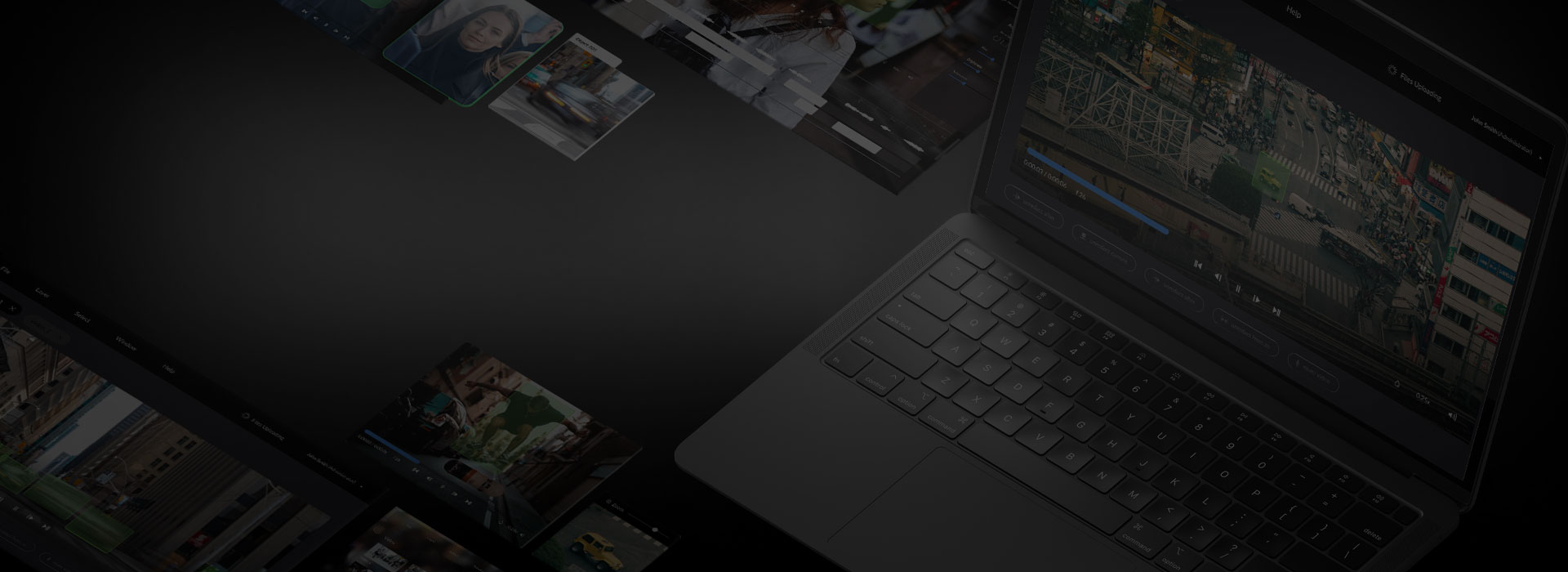 Object recognition
 Our face recognition, emotion analysis, and person attribute identification expertise covers multiple business cases across industries.
We’ll help you find the smartest way to make a real impact on performance, safety,
and customer experience. Practical, measurable, and built around your priorities.
| Way to start | Built for | You walk away with | Typical timeline |
|---|---|---|---|
| Consulting | Stress-testing the approach before model code is written | Architecture review, dataset audit, success criteria | Depends on the request |
| MVP / Proof of concept | Validating one core hypothesis on your data | Working inference pipeline, review UI, benchmark report | 2 to 6 weeks |
| Full build | End to end, from data strategy to deployment | Production system, monitoring, retraining cadence | Depends on the project |
| System integration | Connecting trained models to cameras, PLCs, pipelines | Stream reliability, latency and throughput under load | Depends on the project |
Custom computer vision software development converts complex visual data into meaningful insights, forming the backbone of the technologies we use every day.
TensorFlow • PyTorch • ML • mxnet • Caffe2 • Chainer • SonnetTech • Theano • Microsoft Cognitive Toolkit
Kurento • nVidia DeepStream • TensorRT • GStreamer
Google Cloud AI • Amazon Machine Learning • Azure Machine Learning
Server • Desktop • Edge Services • Cloud • Mobile • Tablet
Get in touch to explore how visual intelligence can benefit your organization. We offer personalized computer vision consulting to help you find practical, effective solutions.
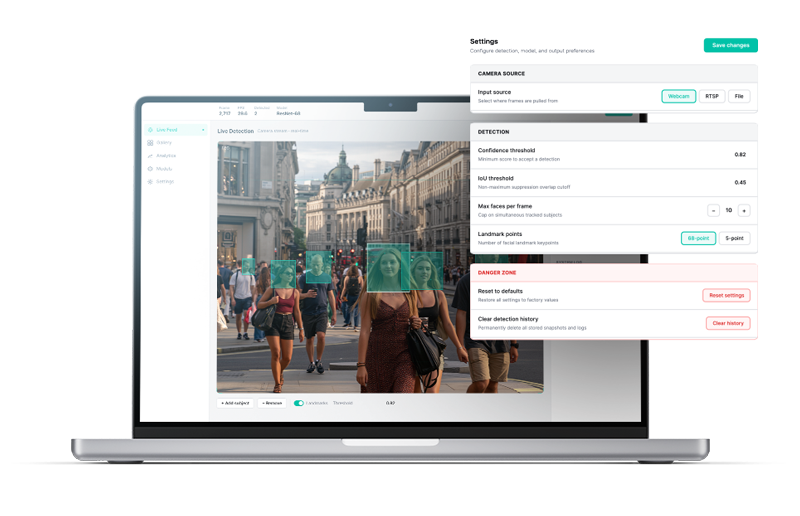


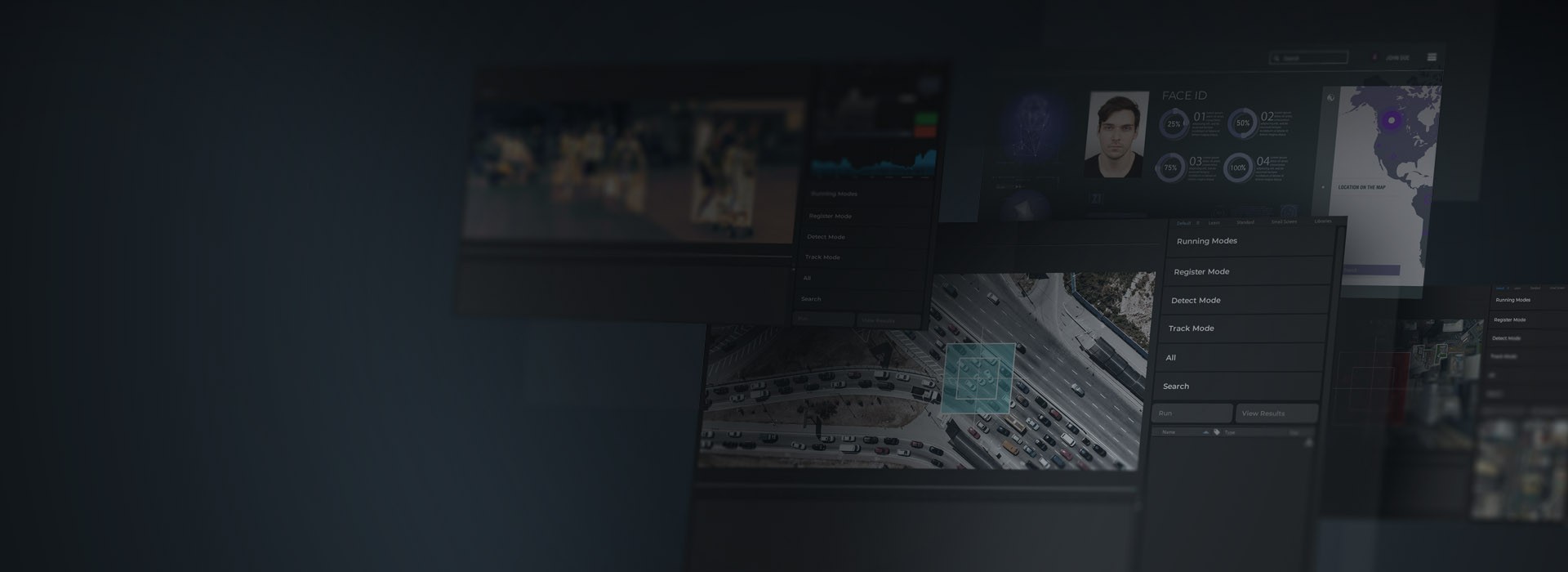




Automating video analysis with advanced vision systems is not only faster and far less resource-intensive, it’s also remarkably versatile. These tools can handle everything from moderating live content and flagging policy violations to identifying scenes or actions for cataloging and video annotation.
Other practical applications in video include:
Imagine achieving significantly higher CTRs by showing the right ads to the right users at precisely the right time, just as they’re ready for your recommendations. With emotion and attention analysis, that becomes standard practice. Vision-based analytics also elevate interactions between advertisers and audiences through:
True security becomes possible when visual intelligence is applied across surveillance and monitoring. Modern camera technologies and image analysis algorithms help detect violent or hazardous behavior, prevent retail theft, reduce losses, and manage crowd movement efficiently.
They also support following capabilities:
AI-powered video and IoT analytics give production teams real-time visibility into process deviations, equipment behavior, and factory-floor safety conditions. Automated quality inspection and smart surveillance shift defect detection from post-hoc audits to in-line catches.
Computer vision and AI-assisted video analytics monitor adherence to safety protocols in real time, combining facial recognition, thermal imaging, and object tracking into a unified situational layer.
Modern video infrastructure for body-worn, in-vehicle, and stationary cameras handles secure live streaming, transcoding, and long-term storage with full chain-of-custody compliance. Microservices architecture keeps each component independently scalable and auditable.
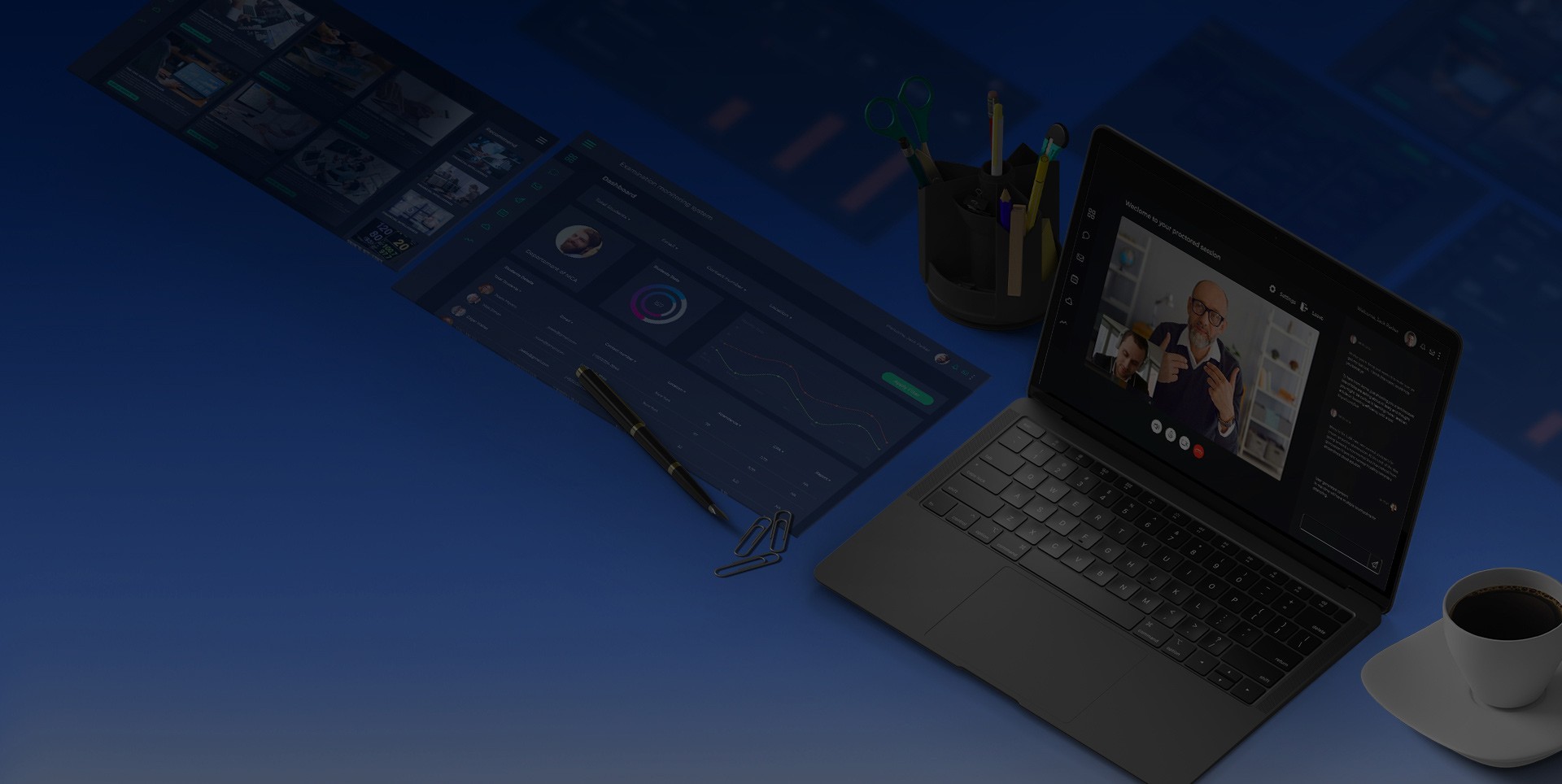
Vision AI technologies unlock a wide range of enhancements for eLearning platforms, like optimizing assessments, streamlining administrative tasks, and tracking attendance. One major benefit is spotting frustration or distraction in real time, allowing quick response or future teaching adjustments.
All this can be achieved with:
Vision-driven automation is transforming retail by optimizing processes and elevating customer experience across both online and offline channels. These technologies enhance inventory management, streamline product labeling, and forecast demand peaks with high accuracy.
They can also be used to:
With exceptional accuracy and efficiency, visual AI is reshaping the financial sector by automating repetitive, error-prone processes. Organizations are using it to extract data from documents, assess image-based evidence, and evaluate damages for insurance claims.
Additional use cases include:
Our team knows how to turn everyday video into insight using advanced visual AI. Manage parking, track activity, and boost safety — all in one view.

Computer vision, a branch of AI, powers machines to interpret digital images and videos and detect meaningful patterns within them. Oxagile builds these systems with deep learning and neural networks, so the custom computer vision solution learns and adapts to your data instead of staying fixed at launch.
Oxagile works across the core vision techniques, as modern vision systems employ a range of analytical methods. The most widely used include:
Automated inspection identifies defects and measures tolerances faster and more accurately than manual checks. Oxagile builds these systems to run in-line, so safety and quality issues are caught during production, not in post-hoc audits.
Oxagile sees the highest-value deployments in industries where visual data is abundant and decisions based on it carry real cost or risk.
The real question is whether your use case has sufficient data, clear success criteria, and a production environment where the model’s output connects to an actual decision.
Oxagile’s core work sits at the intersection of video engineering and computer vision: object detection and tracking, semantic and instance segmentation, face recognition, biometric verification, and anomaly detection for industrial and surveillance contexts. A significant share of our projects involve real-time video, integrating vision models into live camera feeds and IoT networks rather than batch-processing static images.
Yes. Real-time inference introduces constraints that batch processing doesn’t: frame rate requirements, latency budgets, and hardware limits all shape architecture decisions before a model is trained. Oxagile works with GStreamer, RTSP, WebRTC, and edge platforms like NVIDIA Jetson, combining model optimization and pipeline design to hit genuine real-time performance.
Two to six weeks for a focused PoC, with data readiness being the biggest variable. If annotated training data exists and covers the target distribution, we move fast. If collection and labeling are in scope, the timeline extends. Oxagile scopes PoCs to answer one question: does the approach work on your data at the accuracy level your use case requires?
Oxagile starts with discovery: understanding your data, environment, and constraints before proposing any architecture. From there we move to data preparation, baseline training, iterative refinement against agreed benchmarks, and integration into your stack. Validation runs on data that reflects real deployment conditions, not clean test sets. After launch, we monitor for distribution drift and establish a retraining cadence before handing over ownership.
It depends on three things: whether annotated training data exists, whether the system runs in real time, and how many environments it deploys to. That is why Oxagile scopes a PoC first, so the budget for a full build is grounded in results on your data, not estimates. We give a concrete figure after discovery.

